
by Wendy O’Donovan Phillips
Share
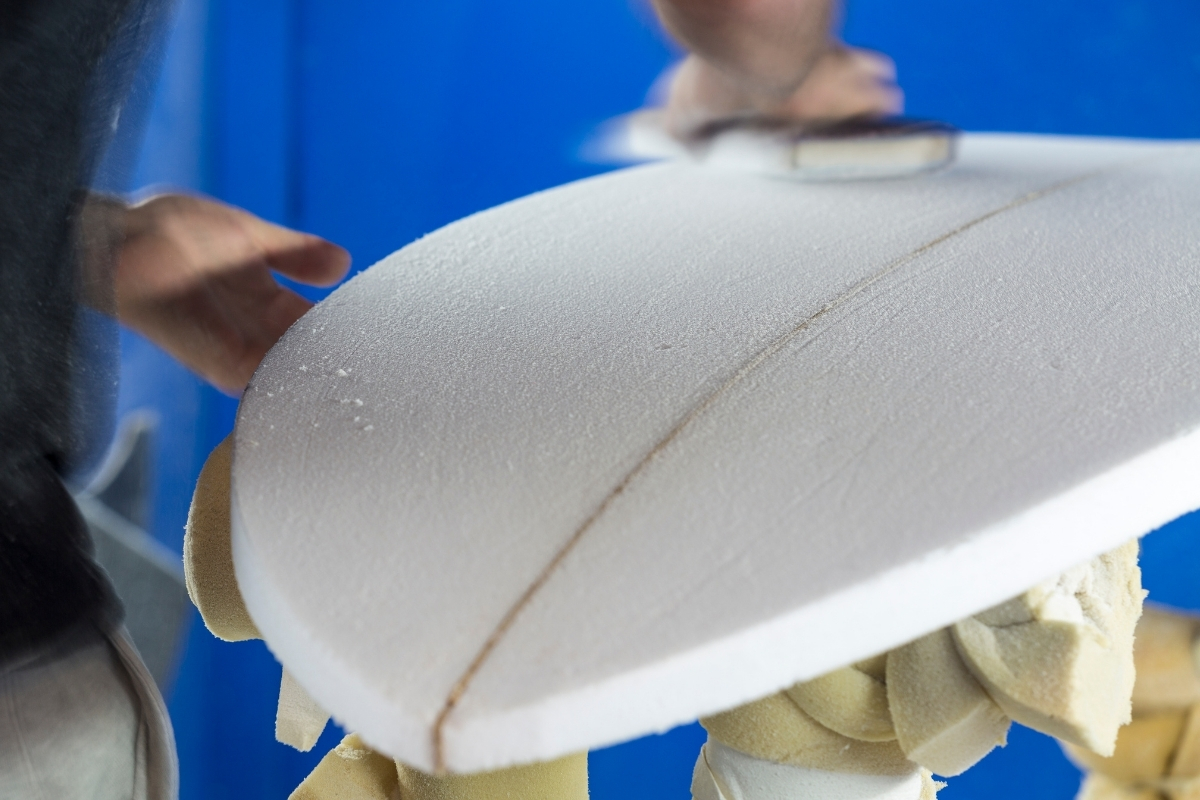
Walk into any surfboard shaper’s bay, and you will see a process that can look mystical. Foam blanks stacked along the wall, templates hanging from hooks, rails and rockers carefully tuned. No one in that room is guessing. Every curve, length and material choice is intentional, based on the waves the surfer will ride and that surfer’s style.
A lasting brand and marketing plan works the same way. You are shaping something specific to your market, for your growth stage and your ideal buyer.
Before you take that plan into the water, you need to do what great shapers do first: study, measure, and design with precision.
The Research: Reading the Wave Before You Shape
A shaper starts with questions. Where will this board surf most often? Is the rider beginner or advanced? Small playful waves or big, critical faces? Only then do they choose length, rocker and rail shape. Shortboards around 5’6″ to 6’4″ are agile and responsive for experienced surfers while longboards 9′ and up trade maneuverability for stability and easy paddling, as examples.
Your research phase plays the same role. Here’s what to have on hand:
Voice-of-the-Customer Data
Voice-of-the-customer (VOC) data tells you who you are really shaping for. It reveals what your ideal buyers value, what frustrates them and why they choose you or someone else. Without VOC, you are building a board for a stranger.
Competitor Research
Competitor research is your reef map. It shows where others are already positioned and how they ride the market. You see which “boards” they are offering, what promises they are making and where there is true open water for you.
SWOT Analysis on the Current and Past Marketing Plan
A SWOT analysis on your past and current marketing plan shows your strengths and weaknesses as clearly as a rocker profile on a shaping rack. You see where you glide, where you bog, where you consistently wipe out and where you have untapped potential.
Only after this level of understanding do you start shaping the brand.
The Building Blocks: Shaping the Brand Itself
Once a shaper has clarity, they begin to cut and refine. They choose materials – polyurethane or EPS foam with fiberglass and resin for a light, strong board, or even soft-top foam or wood for specific performance and feel. They tune the rocker, the curve from nose to tail that helps the board fit the face of the wave and turn without nosediving. They refine the rails since thickness and shape influence how easily the board turns and how much speed it can generate.
Your brand building blocks are the equivalent of these precise choices. Here’s an overview of each:
Positioning Statement
Your positioning statement asserts what you do at what value for whom. This is like your board outline. Some form of it should appear in all communications so your market instantly recognizes the shape of your offer.
Differentiators
Differentiators are your rail shape, in that they decide how you take the turns around the competition. These are the main supporting points to your positioning statement and must offer real value to your target audience. Therefore, they must be derived from your VOC data, never solely what internal leaders think. Done well, the differentiators guide every strategic move.
Brand Essence
Brand essence is the single idea that comes to mind when people think of your organization. It is the feeling of the board underfoot. Confident, steady, fast, playful. It should live in every interaction. Think Volvo: safety.
Visual Representation of Competitor Research
A visual map of competitor positioning, differentiators and essence makes sure no one else can credibly claim the same shape. You immediately see which boards are already in the lineup and where your unique design fits. Here’s an example:

Brand Archetype
Brand archetype is your brand’s personality, grounded in VOC data. It is the human quality people feel when they experience your brand. Like choosing between a sleek performance shortboard or a friendly longboard that works for many conditions, your archetype guides tone and style in a way your audience can relate to instantly.
Mood Board
The mood board is your color, artwork and finish. It is a visual collage that expresses your brand essence, positioning and differentiators. Internally, it keeps agency and marketing teams aligned so the brand always looks and feels like the same board, no matter where it appears.
Mission, Vision and Values: Why You Shape in the First Place
Mission, vision and values make sure you are not just building something functional but meaningful. At their core, they answer these questions:
- Mission: What makes us wake up wanting to come to work?
- Vision: What is our hope for how the organization will change the world one day?
- Core Values: What guiding principles will support the organization in realizing its vision?
These keep your shaping process honest. They remind you why you are in shaping at all.
Develop Your Marketing Plan Strategy with the OGSM Model
With research and brand structure in place, you are ready to define how your brand will be used over time. That is where the OGSM model comes in, which includes:
- BIG: Your Big Important Goal, usually a three-year revenue growth goal
- 3 Objectives: Three-year destinations for the organization
- 15 Strategies: Actions you will take to reach those objectives, such as Content Marketing Strategy
- 6 Measures: Ways you will gauge outcomes, or KPIs
The OGSM model turns your shaped brand into a season plan to go to market. You know which breaks you will surf, what conditions you will prioritize and how you will measure each good session quarter over quarter, year after year.
From Generic Foam to Custom Shape
Many organizations are trying to ride 2026 on the equivalent of a rental board. It sort of works in all conditions, yet never really performs. When you invest in research, define clear brand building blocks and align your marketing plan with OGSM, you move from generic to custom.
You stop guessing and start shaping.
Yours,
Wendy O’Donovan
CEO, Big Buzz
Out of the wide blue ocean of marketing, we create a focused energy people notice. Since 2007, Big Buzz® has helped Stage II to Stage III organizations systemize marketing to achieve growth goals. Get details: visit www.bigbuzzinc.com and follow Wendy.